Quick Answer: Jumbo cord wins for cats. Claws don’t catch. Hair hides well. Chenille works with a scratch guard. Avoid velvet, linen, and microsuede—claws shred them. Leather is tough but costs more. Pair any sofa with a dedicated cat scratch post nearby.
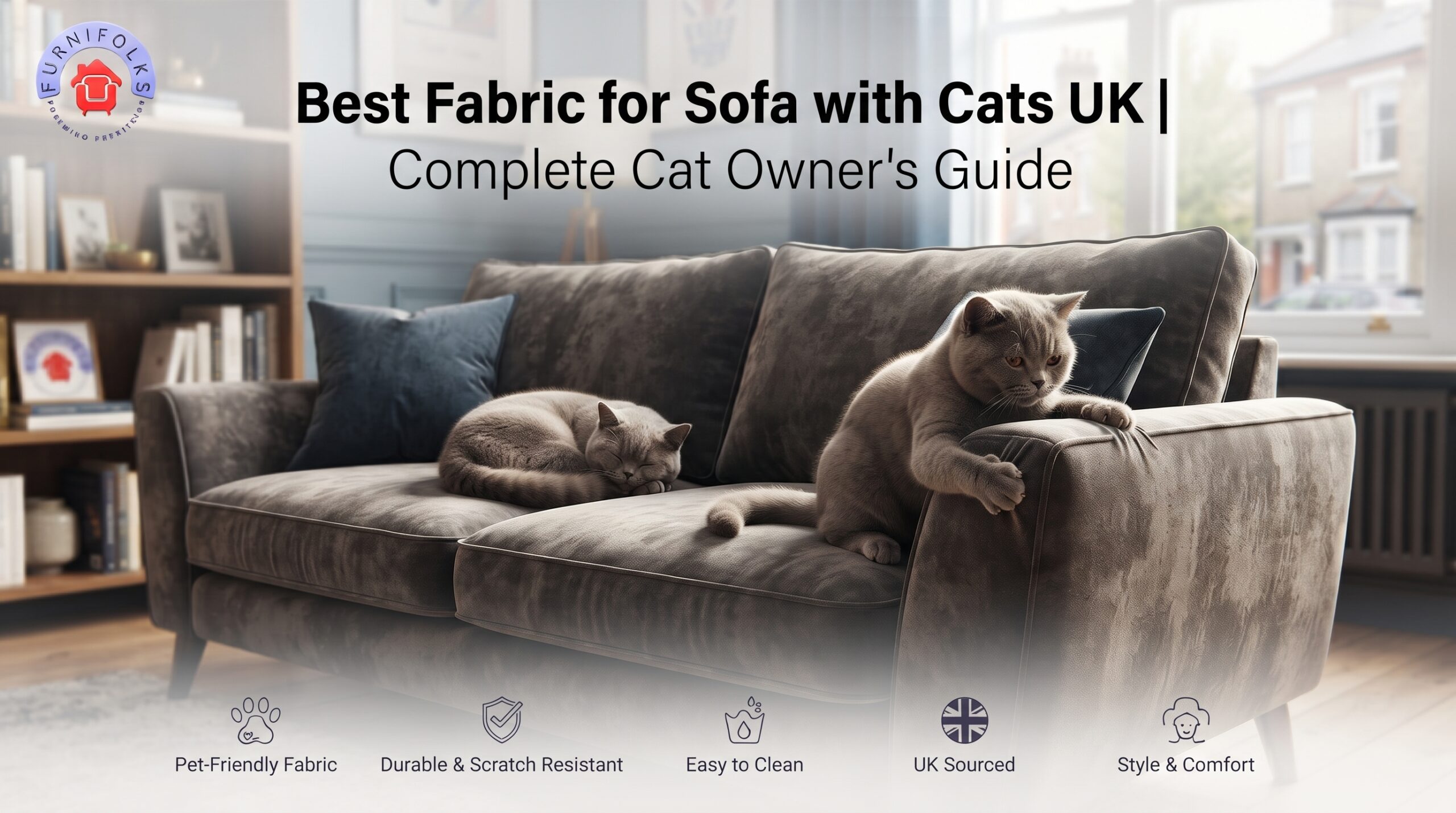
Cats scratch sofas. It’s what they do. Finding the best fabric for sofa with cats in the UK means choosing a material that survives claws while actually looking good in your living room.
Your cat sharpens claws. Marks territory. Stretches muscles. A silk sofa won’t survive this. But the right fabric will—and your cat will still have their scratching needs met.
Best Fabric for Sofa with Cats UK | What Actually Works
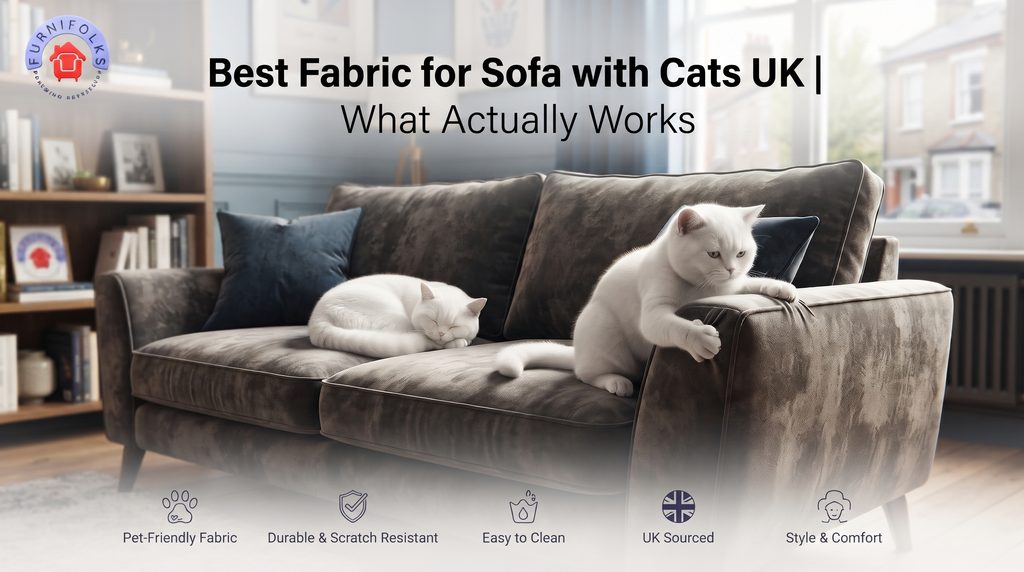
The best fabric for sofa with cats uk needs three things: a tight weave that claws don’t catch, durability that bounces back, and realistic expectations about cohabitation.
Cats aren’t trying to destroy your sofa. They’re just doing what cats do. The right fabric lets them do it without major damage.
You can’t stop a cat from scratching. But you can redirect the behaviour and choose a fabric that forgives the attempt.
Fabric Rankings: Best Sofa Material for Cats
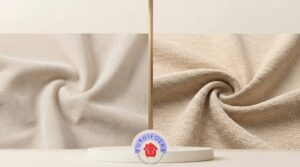
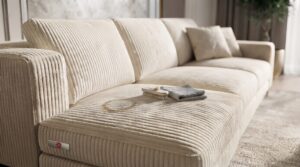
1. Best Fabric for Sofa with Cats: Jumbo Cord
Why cats like it: Textured, satisfying to scratch. But doesn’t shred easily.
Why you’ll love it: Claws don’t catch and pull. No visible shredding. Minimal damage after years.
Claw resistance: Excellent. Claws slide rather than catch.
Hair visibility: Minimal. The texture hides shedding.
Damage potential: Very low. Scratching leaves minimal marks.
Cost: Mid-range.
Durability: 8–10 years even with active scratching.
Real example: Cat owner reported only surface scratches after two years on dark grey jumbo cord. The fabric bounced back. Claws didn’t grab.
Jumbo cord works because the ridges are textured but tight. Your cat gets the scratching sensation. But the weave doesn’t separate or fray.
2. Second Choice: Sturdy Chenille (With Protection)
Why cats like it: Cosy texture. Fun to knead and scratch.
Why you’ll love it: Forgiving fabric. Bounces back after claws.
Claw resistance: Moderate without protection. Good with a scratch guard.
Hair visibility: Moderate. Less visible than velvet.
Damage potential: Moderate to low with guard.
Cost: Mid-range fabric plus £20–40 guard.
Durability: 7–8 years with active scratching.
Real example: Family with an energetic cat reported minimal damage after one year using a clear acrylic scratch guard on the arms.
The trick with chenille: Add a clear acrylic scratch guard on both arms. Your cat scratches the plastic instead of the fabric. Replace the guard every 6–12 months. Fabric underneath stays pristine.
3. Premium Option: Leather and Faux Leather
Why cats like it: Smooth surface is less tempting to scratch than fabric.
Why you’ll love it: Claws don’t pierce it. Easy to wipe clean. Zero hair absorption.
Claw resistance: Excellent. Claws don’t penetrate.
Hair visibility: Minimal. Hair slides off easily.
Damage potential: Very low. Scratches don’t mark it.
Cost: Higher upfront. Real leather more expensive.
Durability: 10+ years. Actually improves with age.
Trade-off: Feels less cosy. Less traditional sofa feel.
Faux leather beats real leather for cat owners because spills wipe clean instantly. No permanent stains. No lingering smells. But it doesn’t feel as warm.
What to Avoid With Cats: Fabrics That Fail Instantly
Plush velvet is a cat’s dream scratching post. Soft fibres catch claws easily. Your cat pulls and the fabric unravels. Within weeks it looks shredded.
Linen has a loose weave. Claws catch easily. Threads unravel visibly. Looks damaged very quickly.
Microsuede seems practical but claws catch it. Pilling becomes obvious within months. Looks worn and damaged fast.
Silk blends are beautiful until your cat scratches once. One swipe and visible tears appear. Not worth the cost.
Light fabrics show every scratch mark. Your pale sofa becomes a map of your cat’s scratching patterns.
Understanding Cat Scratching: The Reality
Cats scratch for three reasons: sharpening claws, marking territory, and stretching muscles.
You can’t stop the behaviour. But you can redirect it with a dedicated scratch post positioned next to your sofa.
Your cat will use the post if it’s positioned right and placed near where they naturally scratch. Most cats have preferred scratching spots.
A good scratch post is tall (cats love to stretch), sturdy (won’t tip over), and positioned directly next to the sofa arm. Sisal rope works best. Carpet-covered posts are less satisfying.
💡 Pro Tip: Place a dedicated cat scratching post next to your sofa within the first week. Your cat learns this is their scratching zone. The sofa becomes less tempting.
The Scratch Guard Strategy: Temporary Protection
A clear acrylic scratch guard (sticky-backed or magnetic) goes on the sofa arm where cats naturally scratch.
Cost: £20–50 per guard.
When to replace: Every 6–12 months depending on use.
How it works: Your cat scratches the plastic instead of the fabric. When it gets damaged, you peel it off and apply a new one.
Installation takes two minutes. It’s nearly invisible. Your sofa underneath stays pristine.
This strategy is genius for chenille or other sofas that aren’t naturally claw-resistant. It buys you years of protection.
Real Situations: Cat Owner Stories
Scenario 1: Indoor Cat, Light Scratching
Best choice: Jumbo cord without guards. Cat barely scratches. Hair is invisible.
Result: Cat comfortable. Sofa looks fresh for decade.
Scenario 2: Active Young Cat, Heavy Scratching
Best choice: Jumbo cord plus dedicated scratch post. Guard optional.
Cost: Mid-range fabric. £50 scratch post.
Result: Cat uses post. Sofa shows only surface scratches.
Scenario 3: Multiple Cats, Anxious Household
Best choice: Faux leather. Zero scratching concerns. Easy cleanup.
Cost: Higher upfront but stress-free.
Result: No worry. No damage. Peace of mind.
Scenario 4: Senior Cat, Minimal Scratching
Best choice: Any fabric. Chenille or jumbo cord.
Cost: Mid-range. Minimal protection needed.
Result: Cat comfortable. Sofa lasts their lifetime.
Managing Cat Hair: Weekly Routine
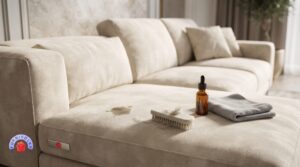
Vacuum with upholstery tool once weekly. Catches loose hair before embedding.
Lint roller on problem areas. Cat hair clings to fabric less than you’d think.
Baking soda trick: Sprinkle, leave 10 minutes, vacuum thoroughly. Freshens fabric naturally.
Brush your cat regularly. Reduces shedding dramatically. Win-win for everyone.
Cat Accidents: Dealing With Urine and Vomit
Urine accidents:
Act fast. Blot thoroughly with white cloth.
Mix enzymatic cleaner (essential—it breaks down urine). Apply generously.
Let sit for 15 minutes minimum. Blot again.
Repeat if needed. Enzymatic cleaners work where regular cleaners fail.
Vomit:
Blot immediately. Scrape solids.
Treat with enzymatic cleaner.
Blot again.
Why enzymatic cleaners:
Regular cleaners mask smell. Enzymatic cleaners break down organic matter. The stain actually disappears.
Territorial Marking: Prevention Matters
Cats spray territory more when stressed or when multiple cats live together.
Solutions: Clean litter boxes daily. Provide multiple boxes (one per cat plus one extra). Use Feliway diffusers. Keep cats calm.
If your cat marks the sofa, you need enzymatic cleaner and stress reduction. The fabric choice matters less than addressing the behaviour.
Professional Cleaning: When to Call Help
Every 2–3 years if you have multiple cats.
Every 3–4 years if you have one calm cat.
Professional cleaners handle deep stains. They freshen fabric completely. Worth every penny.
FAQ
Will jumbo cord really survive a cat’s claws?
Yes, if the weave is tight. Claws slide off the ridges instead of catching. Test in-store by dragging your fingernail across. If it catches, skip it.
Do I have to get a scratch post?
It helps tremendously. Your cat will naturally use it if positioned near the sofa. But tough fabric is your real safety net.
What about nail caps?
Some cats tolerate them. But they’re fiddly and fall off. Better to choose the right sofa than deal with caps.
Can I use a throw blanket?
Yes. Designate a blanket over the sofa. Wash weekly. Protects underneath. Cost: £30–50.
Is real leather better than faux leather?
Real leather is tougher. Claws don’t pierce easily. But faux leather is cheaper and more forgiving of spills.
What if my cat scratches a vulnerable spot anyway?
It happens. On jumbo cord, scratches are usually surface-level. On velvet, damage is obvious. That’s the difference.
How do I reduce cat shedding?
Brush daily. Use a slicker brush. Reduces shedding 80%. Cleaner sofa. Happier cat.
Keep Your Sofa Looking Fresh
Browse our Madrid Chesterfield Jumbo Cord collections. Get a free care guide with every purchase. All FurniFolks sofas come with a 10-year durability guarantee.
Explore Cat-Friendly Sofas
Related reads:
- Best Fabric Sofa for Dogs UK
- How to Clean Jumbo Cord Sofa: Weekly Steps
- Chenille vs Plush Velvet Sofa Durability